
When food becomes part of the climate solution
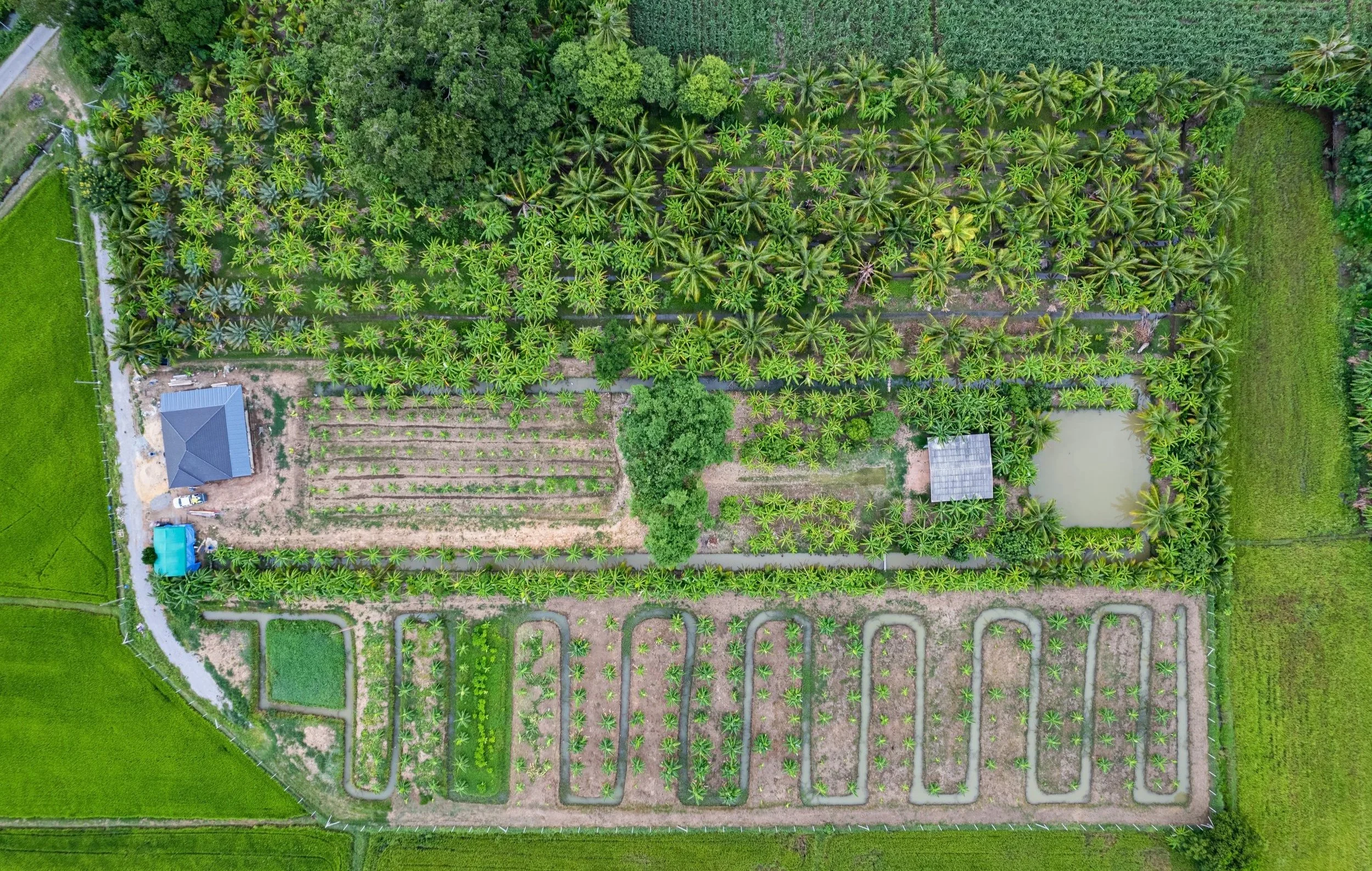
As the climate changes, the conditions for food production change as well. In Mozambique, farmers, local organisations and professional communities are working purposefully on solutions that make agriculture better equipped to handle increasingly variable weather, while strengthening the foundations for long-term and resilient food production.
In the provinces of Nampula and Zambézia, agroecological methods are being used to develop food systems based on local knowledge, biodiversity, and improved management of soil and water. Experience shows that climate adaptation in agriculture is not only about reducing risk, but about creating production systems that deliver stable yields, safer incomes and development over time.

The foundation for stable production
Cornelius Van Blerk is a Senior Advisor at Norges Vel and works closely with agroecology and soil health, both in Norway and in Mozambique. Through his work, he follows how climate adaptation in agriculture functions in practice – from soil improvement and production to risk management and climate finance.
-Climate affects food production directly, but food production can also be part of the climate solution if it is done in the right way. Especially in Africa, the connection is very clear: farmers depend on rainfall and stable weather conditions, and they feel the impacts of climate change firsthand, says Van Blerk.
He emphasises that climate adaptation in agriculture is about more than responding to immediate challenges.
-When we build food systems that can withstand greater variability in weather and climate, it is not only about reducing risk. It is about laying the foundation for stable production, safer incomes and long-term development.
Soil health as the basis for climate adaption
A key starting point for this work is the soil itself. In Nampula, farmers have carried out soil testing and adopted local crops that improve soil structure and fertility. By strengthening the soil’s ability to retain moisture and nutrients, production becomes better adapted to fluctuations in rainfall and temperature.
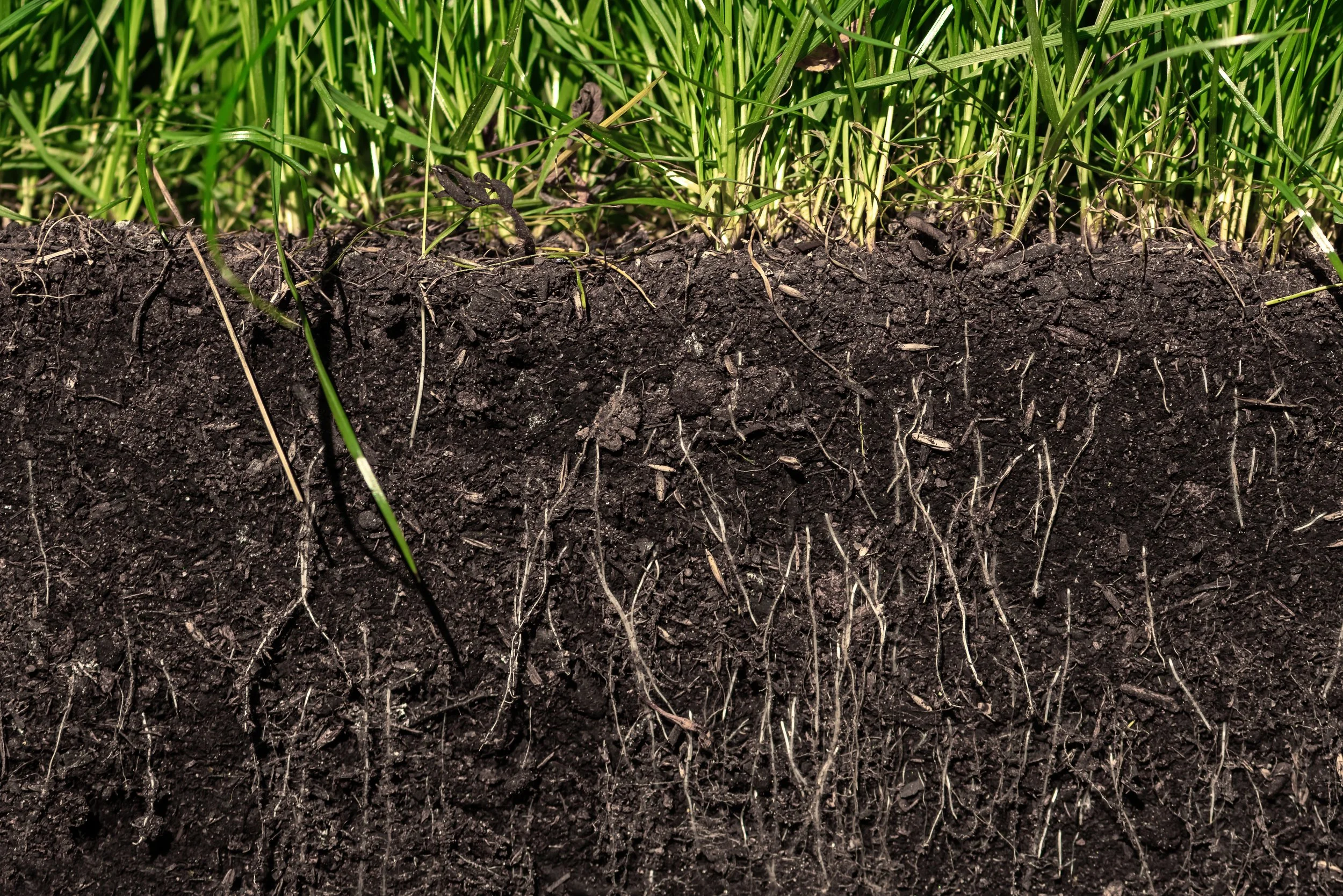
These measures contribute both to improved yields and increased carbon storage in the soil, thereby strengthening the conditions for long-term and resilient food production.
-Good soil health is one of the most underestimated climate measures we have. When soil has high biological activity and good structure, it also has the mechanisms needed to better withstand both drought and heavy rainfall, says Van Blerk.
Climate, food and finance are connected
For farmers to invest more in resilient production methods, climate finance also plays an important role. Access to financial instruments, such as insurance schemes adapted to agriculture, makes it safer to invest in new solutions and long-term measures.
When risks related to weather and crop failure are reduced through, for example, insurance, farmers are better positioned to invest in soil improvement, diversified production and knowledge sharing. Climate finance thus becomes a tool that supports both climate adaptation and the foundations for long-term, resilient food production.
-When farmers have access to insurance or other forms of risk sharing, the threshold for investing in long-term measures is lowered. Nature takes time – and without economic security, many simply cannot afford to wait, says Van Blerk.
He points out that risk is often the greatest barrier.
-You can do everything right in the field, but without access to financial instruments, the risk often becomes too high.
Long-term approaches deliver results
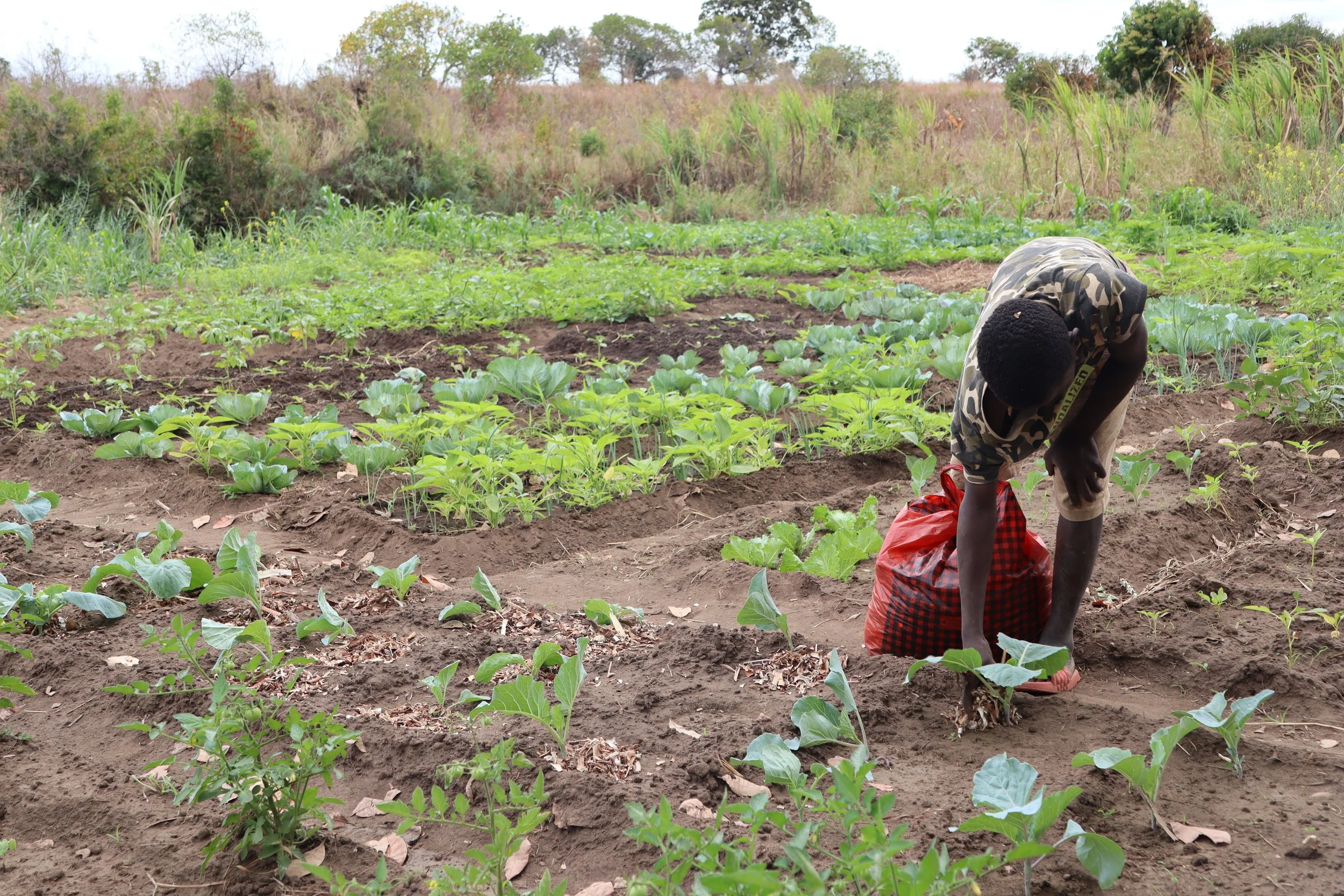
The initiatives in Mozambique are designed to deliver impact over time. By combining knowledge, nature-based solutions and financial instruments, farmers’ ability to withstand climate change is strengthened – also in the long term.
-It pays off in the long run. Farmers with better soil health and more robust production systems are better equipped to handle climate change, says Van Blerk.
Food production as part of the climate solution
In Mozambique, agroecological methods have contributed to increased vegetable production, new jobs and more stable incomes. Experiences from this work show how climate-adapted food production can create ripple effects far beyond the field – for families, local communities and local markets.
The work demonstrates that food is not only affected by climate change, but that food production is also a key part of the solution. When knowledge, nature-based solutions and climate finance work together, food systems are built that are productive, sustainable and resilient for the future.